Plastic in the ocean is a growing problem. It’s essential for science teachers to educate their students about the issue. Approximately nine million tons of plastic waste end up in the ocean each year. As a teacher in a coastal state, I feel a particular responsibility to teach my students about the realities of this ubiquitous issue.
But unfortunately, even if you are not a teacher in a coastal state, everyone who uses plastic products contributes to this problem and it has a negative effect on all of us.
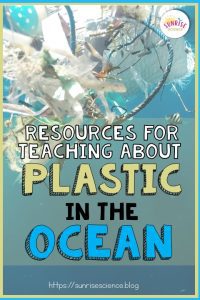
I do a discrete mini-unit on plastic in the ocean (see below!) and it usually, appropriately, falls around Earth Day every year. At the beginning of this unit, I teach my students the word ubiquitous. This word pretty much sums up this environmental problem. It’s ubiquitous around the planet and in every single ecosystem.
My students sometimes say on the first day of the unit (after we watch the trailer for Chris Jordan’s Albatross film) that they feel bad for the animals but that this issue doesn’t really affect their lives and they feel they can’t really do anything about it anyway. By the second lesson, these same kiddos are expressing how little they knew about how bad this problem really is. By the time they complete their Public Service Announcement, they are advocating for change and talking to their families to help make it!
Fortunately though, there are many helpful resources available online to help teach about plastic in the oceans. Here are some of them:
Plastic Sea to Source
National Geographic’s Plastic Sea to Source: This site provides free materials for educators, including lesson plans and activities centered around plastic pollution in the ocean. Teachers can also use videos, articles, and photos from National Geographic as engaging classroom resources.
Marine Debris Program
NOAA Marine Debris Program: The National Oceanic and Atmospheric Administration (NOAA) offers a wealth of resources on plastic waste in the ocean. Teachers can access free educational materials, data visualizations, infographics, and lesson plans.
Ocean Wise
Ocean Wise: Teachers can access a variety of resources on plastic pollution at Ocean Wise, including lesson plans, infographics, and more. The site also offers downloadable posters that educators can use to decorate their classrooms.
Plastic Pollution Coalition
The Plastic Pollution Coalition: This global alliance provides an extensive and growing collection of educational resources on plastic pollution, including classroom activities, infographics, and videos. The site also offers actionable steps that students can take to reduce plastic waste in their daily lives.
5 Gyres Institute
5 Gyres Institute Trash Academy: The 5 Gyres Institute is dedicated to researching and educating the public about plastic pollution in the ocean. Teachers can access informative videos and lessons from Trash Academy to help their students learn about ocean plastics.
Seas of Plastic
Seas of Plastic Model: This interactive utilizes 30 years of particle-tracking data and global ocean circulation patterns to visualize the accumulation of floating debris in the world’s ocean. This model clearly shows the formation and locations of the five gyres and allows you to click on either countries or the gyres to see where the plastic originates from and where it ends up.
Plastic in the Ocean Mini Unit
Plastic in the Ocean Mini-Unit: I designed a series of 6 lessons to teach my middle school students about plastic in the oceans. This mini-unit takes about 2 weeks to teach. The lessons are of high interest to students and they complete a Public Service Announcement project to wrap up the unit. I integrated the Seas of Plastic model and other interactives and videos into this unit, as well as activities that I designed to help students to understand the vastness of this problem and how it affects their world and health. This unit is aligned to the NGSS standard

By using these resources, middle school science teachers can help their students understand the impact of plastic waste in our oceans. This will empower them to take action to reduce their own plastic use. With the right tools and resources, educators can inspire students to become environmental stewards and help make a positive impact on the planet.
If you have other great resources to share, please add them in the comments below!!